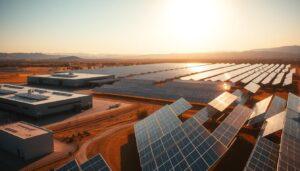
Illinois’ clean energy buildout is increasingly defined by scale. While early solar development in the state often centered on community solar farms and mid-sized installations, the next wave is dominated by utility-scale projects measured in hundreds of megawatts and thousands of acres. One proposal drawing attention is the CPV Prairie Dock Solar Expansion in Livingston County — a planned 300 MW solar project spanning roughly 1,600 acres.
This article takes an evergreen look at what it means to “track the permitting” of a project this size: how approvals typically work, what issues communities and regulators focus on, and why a 300 MW project can be both an economic opportunity and a planning challenge.
What Makes Prairie Dock “Utility-Scale”?
A 300 MW solar project is firmly in utility-scale territory. That capacity can represent a major new generation resource for the regional grid, often comparable (in nameplate terms) to a traditional power plant unit.
Utility-scale solar projects typically:
- Feed power into wholesale markets
- Interconnect to higher-voltage infrastructure
- Require multi-year planning, studies, and approvals
- Involve complex land, environmental, and community considerations
At 1,600 acres, Prairie Dock would also rank as a large land-use development, which is why permitting becomes a central storyline.
The Big Picture: Why Permitting Matters
“Permitting” is the set of approvals that allows a project to move from concept to construction. For large energy infrastructure, permitting is about more than paperwork — it’s where safety, environmental protection, community impact, and grid reliability are addressed.
For a proposed Livingston County solar expansion, the permitting process is where stakeholders typically examine:
- Land use compatibility (zoning and county ordinances)
- Environmental impacts (stormwater, wetlands, habitat)
- Grid interconnection and transmission needs
- Road use, construction traffic, and site access
- Visual impacts and setback requirements
- Decommissioning plans and long-term site management
Tracking permitting is essentially tracking whether the project can meet local and state requirements while earning enough community support to proceed.
Project Snapshot: Prairie Dock by the Numbers
Based on the proposal overview:
- Location: Livingston County, Illinois
- Developer: CPV (as referenced in the project name)
- Proposed capacity: 300 MW
- Estimated land area: 1,600 acres
- Status: Proposed / in permitting process
That scale implies a multi-phase development path, including land agreements, engineering design, interconnection studies, and multiple layers of review.
How Solar Permitting Typically Works in Illinois
While exact requirements vary by county and project specifics, utility-scale solar in Illinois commonly moves through a few consistent stages.
1. Early Development and Site Control
Before a project enters formal review, developers typically secure:
- Land leases or purchase options
- Preliminary site layouts
- Baseline environmental assessments
- Initial conversations with county staff and landowners
This stage determines whether the land is feasible (topography, drainage, proximity to grid infrastructure) and whether enough acreage can be assembled.
2. Local Zoning and Special Use Approvals
In many Illinois counties, large solar projects require zoning approvals, often through:
- A special use permit
- A conditional use permit
- A zoning ordinance compliance review
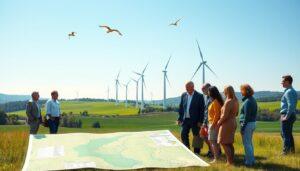
County boards and planning commissions may hold public hearings where residents can comment on issues like:
- Setbacks from homes and roads
- Vegetative screening requirements
- Noise (usually low for solar, more relevant for inverters)
- Property values (often debated, with mixed perspectives)
- Construction timelines and traffic routes
For a 1,600-acre project, expect robust public engagement and detailed ordinance compliance requirements.
3. Environmental and Stormwater Review
Even when solar is “clean,” construction still changes land use. Permitting often focuses heavily on:
- Stormwater management (preventing erosion and runoff)
- Wetlands and waterways (avoidance and buffers)
- Soil protection and grading plans
- Vegetation plans (native plantings, pollinator habitat, mowing schedules)
Many counties and state-level processes also require construction-phase erosion control measures, which are critical for large sites.
4. Interconnection Studies and Grid Planning
A 300 MW project requires careful grid integration planning. Developers typically work through regional grid operator processes to assess:
- Where and how the project will interconnect
- Whether transmission upgrades are needed
- System impacts during high solar output periods
- Protection systems and operational requirements
Interconnection can be a major timeline driver. Even if local permitting goes smoothly, grid upgrade requirements can affect schedule and costs.
5. Decommissioning Plan and Financial Assurance
Counties increasingly require a clear end-of-life plan, including:
- Removal of panels, racking, wiring, and foundations
- Site restoration (grading, soil stabilization, reseeding)
- Financial assurance (often a bond or escrow) to ensure cleanup happens even if ownership changes
For projects spanning 1,600 acres, this is a crucial community concern — and a standard part of responsible permitting.
Key Community Questions That Often Shape Permitting
Large solar proposals tend to raise consistent questions. If you’re “tracking permitting,” these are the themes likely to define public meetings and board votes.
Land Use and Farming
In a county with strong agricultural roots, residents may ask:
- Is the site prime farmland?
- Can the land return to farming after decommissioning?
- Will drainage patterns change for neighboring fields?
Project design and soil management commitments matter here.
Roads, Traffic, and Construction Impacts
Construction can involve heavy equipment deliveries, which raises issues like:
- Road maintenance agreements
- Designated haul routes
- Safety planning near schools or residential areas
- Construction hours and noise controls
Visual Character and Screening
Even though solar is quiet, the visual footprint can be significant. Counties often require:
- Setbacks
- Vegetation buffers
- Fencing standards
- Glare studies (especially near airports or major roadways)
Why Projects Like Prairie Dock Are Being Proposed Now
Illinois’ clean energy policies and market dynamics are pushing larger projects forward. Utility-scale solar offers:
- Fast build timelines compared to new conventional generation
- Competitive cost per megawatt at scale
- Strong emissions reduction impact
- Compatibility with battery storage add-ons
A 300 MW proposal also suggests long-term confidence in Illinois’ demand for clean electricity as electrification grows (EVs, data centers, electric heating, industrial load).
What Comes Next After Permitting
If the Prairie Dock expansion clears permitting successfully, the next typical steps include:
- Final engineering and procurement
- Construction contracting and mobilization
- Interconnection upgrade work (if required)
- Phased commissioning and grid testing
- Commercial operations
Many large sites are built in stages, which can reduce risk and align project milestones with grid readiness.
Conclusion
The CPV Prairie Dock Solar Expansion represents the next era of Illinois solar: large, grid-scale projects proposed across wide footprints. At 300 MW and 1,600 acres, this Livingston County proposal is the kind of development where permitting becomes a central public process — balancing land use, environmental stewardship, grid needs, and community priorities.
Tracking the permitting of Prairie Dock is ultimately tracking whether Illinois can scale renewable energy responsibly: with clear safeguards, transparent engagement, and long-term planning that respects both local identity and statewide clean energy goals.