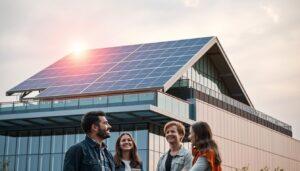
A major utility-scale solar proposal is taking shape in east-central Illinois: CPV Paxton Solar, a planned 200-megawatt (MW) photovoltaic project in Ford County with an estimated $450 million investment.
For communities like Paxton and the surrounding townships, a project of this size isn’t just an energy story—it’s an economic development story. From construction jobs and local purchasing to long-term tax revenues that can support schools, roads, and public services, CPV Paxton Solar offers a clear case study in how modern renewable infrastructure can reshape a rural county’s economic base.
Below is an evergreen look at what the project is, what typically happens during permitting and construction, and what a large solar installation could mean for Ford County’s economy through 2029 and beyond.
What CPV Paxton Solar Is
According to CPV’s project information, CPV Paxton Solar is:
- Location: Ford County, Illinois
- Capacity: 200 MW (solar PV)
- Investment: $450 million
- Construction timing: estimated start Q4 2028
- Commercial operation: expected 2030
CPV also states the project is expected to create 200+ construction jobs and add ~$38 million in local revenue over the life of the project (supporting schools, municipal budgets, road maintenance, and emergency services).
Why a 200 MW Solar Project Is a “Big Deal” Locally
A 200 MW facility is large enough to matter in three concrete ways:
1) It’s a major capital build
A $450 million investment means large contracts for civil work, electrical installation, racking, modules, inverters, fencing, and grid interconnection. Even if many components are sourced nationally, the construction phase still tends to generate meaningful local spending on:
- lodging and meals
- fuel, equipment rental, and trucking
- aggregate, concrete, and site materials
- temporary staffing, safety services, and support trades
2) It changes the county’s long-term tax conversation
Utility-scale solar becomes a taxable asset (often with negotiated terms depending on local policy). CPV’s estimate of ~$38 million in local revenue over the life of the project signals that long-term public funding is a central part of the proposal.
3) It adds a new “energy industry lane” for the local workforce
Even if the permanent headcount is smaller than construction labor, the ripple effects matter: regional contractors gain solar experience, workers add credentials, and local vendors build relationships that can carry to future projects.
Tracking Permitting: What Usually Gets Reviewed
For a project of this scale, the “permitting story” is where the biggest local questions get answered. While every county’s process is a little different, large solar facilities commonly face review in areas like:
- zoning/special use approvals and compliance with local solar standards
- setbacks, screening, fencing, and road access
- stormwater, drainage, and erosion control plans
- decommissioning (how the site is restored at end-of-life)
- construction traffic and road use agreements
Ford County’s solar framework includes specific fee language: the county’s solar ordinance describes a special use permit application fee equal to $5,000 per MW of proposed nameplate capacity (among other requirements).
For a 200 MW project, that’s a notable early-stage cost signal—and it also reflects how seriously counties are treating utility-scale solar as industrial infrastructure rather than a simple “farm accessory.”
What This Means for the Local Economy by 2029
CPV estimates construction could begin in late 2028. That makes 2029 a likely “peak activity” year—when the community impact is most visible.
Construction jobs and payroll
CPV projects 200+ construction jobs during the build. Those jobs often include:
- electrical crews (DC and AC work, trenching, terminations)
- heavy equipment operators (grading, roads, pile driving support)
- fencing and security installers
- commissioning and testing specialists (later in the timeline)
Even when workers commute from outside the county, counties often see economic lift through hotel stays, dining, and local purchases.
Local business spillover
In 2029, the “everyday” beneficiaries are frequently:
- hotels, restaurants, and convenience stores
- service garages and tire shops
- equipment rental and industrial supply
- local trucking and aggregate providers
This is one reason communities often describe large builds as a temporary “mini-boom,” especially if the county has the lodging capacity to capture spending.
Early tax-base implications
Tax-base impacts don’t always arrive all at once. Assessments, negotiated payment structures, and the project’s in-service date shape when revenues start flowing. CPV’s ~$38 million over the life of the project suggests meaningful long-term public revenue, but the exact ramp-up depends on the final local agreements and when the project reaches full commercial operation (CPV expects 2030).
What Happens After Completion: The Long Tail Value
Once operational, utility-scale solar tends to produce community value in quieter, steadier ways:
- ongoing maintenance contracts (vegetation management, inverter servicing, inspections)
- stable public revenue streams (often supporting schools and county services)
- infrastructure improvements tied to road use agreements and site access
And because solar is fuel-free, its economics are less exposed to commodity price swings than fossil generation. That stability can be appealing for long-range county budgeting.
Bottom Line
The CPV Paxton Solar proposal is positioned as a large, long-term infrastructure investment for Ford County: 200 MW, $450 million, construction expected to start Q4 2028, with operation expected 2030. If that timeline holds, 2029 is where the project’s local footprint could be most tangible—through construction jobs, local commerce, and the groundwork for a larger future tax base.