When most people think of wind energy, they see giant white pinwheels in the landscape. But the truth is much more exciting than these static sculptures.
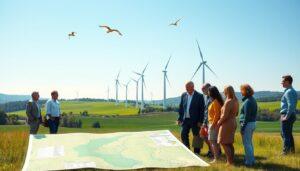
Wind tech has grown from simple energy conversion to a complex system. It faces “success problems” – issues that come when something works too well. Our grid can’t keep up with the energy it produces, and communities wonder if development is fair.
Big projects worth billions are being delayed because our energy systems are outdated. It’s like having a Ferrari but only dirt roads to drive on.
But, despite these challenges, the innovation is groundbreaking. We’re seeing next-generation wind technology that would amaze even Da Vinci. Think turbines without blades and floating power plants that catch ocean winds.
The market is growing fast, at 9.4% each year. By 2030, wind could be the star of our energy world. The real question is how fast we can adapt to its incredible possibilities.
Evolution of Turbine Design
Remember when wind turbines looked like oversized desk fans? They were quite simple back then. Now, turbine design has changed a lot. These machines have become advanced, like something Tony Stark would create.
One big change is bladeless turbines. A Spanish startup, Vortex Bladeless, came up with this idea. They made turbines with a new design. Instead of blades, they use a cylindrical shape that moves in the wind. This movement turns into energy.
- Whisper-quiet operation – no more whoosh-whoosh soundtrack
- Dramatically reduced maintenance – fewer moving parts means fewer breakdowns
- Bird-friendly design – addressing the avian elephant in the room
- Smaller footprint – great for urban and residential areas
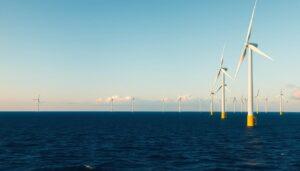
Offshore projects are also getting bigger. The UK’s Hornsea Two is the largest at 1,386 MW. It’s huge compared to earlier projects. These turbines are not just big; they’re also built to last, even in harsh sea conditions.
Other offshore projects are also impressive:
- Moray East’s 100 turbines power nearly 1 million homes
- Triton Knoll’s foundation designs are innovative
- Netherlands’ Borssele projects are storm-proof
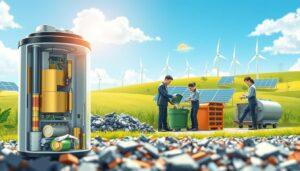
The materials used in these turbines are also advanced. They use composites that are both light and strong. And the best part? The blades can be recycled. This makes wind energy more sustainable.
These changes are not just small updates. They are major transformations in wind technology. From new designs to bigger turbines and smart materials, the field has evolved a lot.
Digitalization and Smart Grids
Wind farms are now using advanced algorithms, not just spinning in the wind. They’re like chess players, thinking ahead and optimizing their performance. This is a big change from the old days.
AI and wind energy are coming together, creating a new partnership. Turbines can now predict when they need maintenance and adjust their angles in real-time. This is a huge leap in how we use renewables.
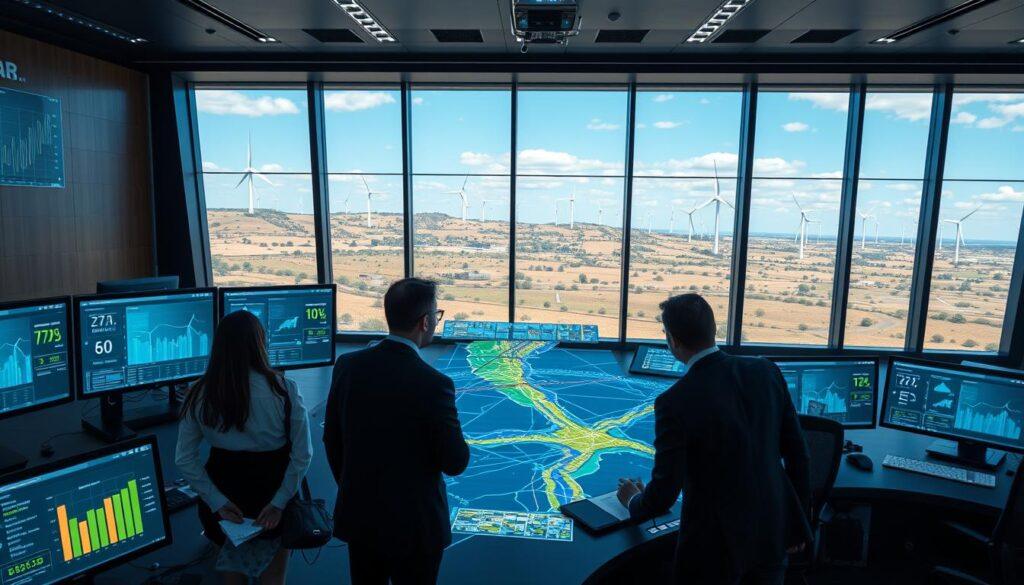
Big data is like a crystal ball for wind energy. We’re looking at tiny details and big weather patterns to gain insights. It’s a lot of data, and it’s very accurate.
But the biggest change is digital twins. These virtual models let engineers test ideas without risking real-world costs. Want to see how a turbine handles a hurricane? Digital twins can show you.
It’s all about making maintenance better, improving performance, and reducing risks. We’re using advanced technology to tap into nature’s power. It’s pretty cool.
This digital shift isn’t just for turbines. It’s for the whole energy system. By linking smart wind farms with creating a truly smart grid, we’re taking a big step forward. Now, turbines can talk to the whole grid.
We’re not just waiting for the wind to blow anymore. We’re using technology to make the most of it. The future is in code, not just weather forecasts.
Impact on Energy Efficiency
Nature’s greatest renewable energy paradox has found its solution. What if the wind took a break while the sun worked hard? Hybrid systems are the perfect pair to solve this problem.
Wind and solar work together like peanut butter and jelly. In winter, winds are strong, and in summer, the sun shines bright. Add smart storage, and you get a team that works all day, every day.
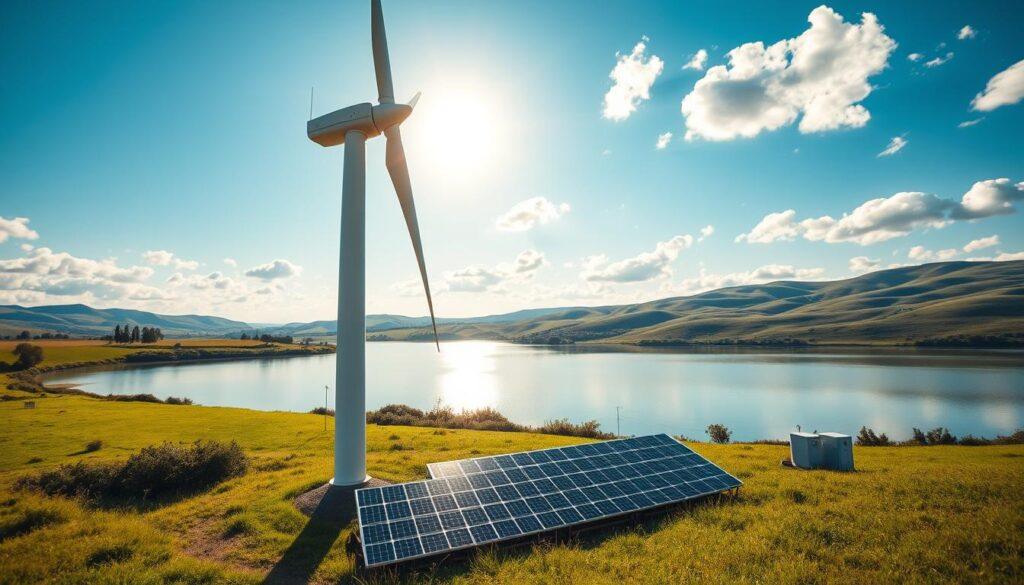
The efficiency gains are huge and game-changing. Remote areas can now have steady power without old infrastructure. Off-grid living becomes possible. And big areas can switch to renewable energy without worrying about the weather.
The real magic is the compound efficiency effect. Every step forward in wind turbine tech helps the cycle:
- Lighter materials need less energy to build
- Smarter systems capture more energy
- Digital models avoid costly mistakes
- AI makes adjustments on the fly
Adding storage makes power reliable. Batteries store extra energy when it’s made. They give it back when it’s needed most. This balance boosts efficiency across the whole system.
The numbers show the success. Hybrid systems can be 40% more efficient than single ones. They need less backup power and cost less to maintain.
This isn’t just about being eco-friendly. It’s about being smart. Modern wind turbine tech outperforms old systems. The energy challenges are now chances for new ideas.
Every new tech step adds up to big changes. Small improvements lead to big leaps. The world of renewable energy is changing fast, becoming more efficient every day.
Future Trends
Wind energy is moving fast, like a turbine in a hurricane. The race for patents between Vestas, GE, and Siemens is intense. China’s 38,000-plus patent filings show where the world’s focus is.
We’re not just making bigger turbines. The real progress is in making them smart and connected. Imagine turbines that talk to each other in real time. Energy storage will solve the problem of when the wind isn’t blowing.
Floating offshore tech will open up deep-water areas for wind farms. But, we need trillions for grid upgrades. We also need to change how people see wind energy. Finding money for this is a big challenge.
These challenges are actually chances for growth. The companies and countries that tackle them will lead the energy future. The old days of dumb energy are over. The future is smart, connected, and powered by the wind.
What’s next depends on how we view these innovations. The wind keeps blowing, no matter our politics. It’s time to start listening to the smart money.