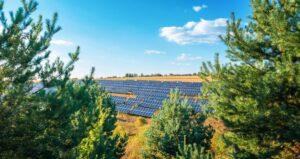
Community solar is rapidly reshaping how Illinois residents access clean energy — especially for those who cannot install rooftop panels themselves. In Will County, the County Line and Bemes Road community solar expansions, developed by Luminace, are bringing more than 9 megawatts (MW) of new renewable capacity directly to local subscribers.
These projects represent a powerful example of how shared solar programs expand access, lower barriers to participation, and strengthen Illinois’ distributed energy landscape.
What Is Community Solar?
Community solar allows residents and businesses to subscribe to a portion of a local solar farm and receive credits on their electricity bills — without installing panels on their own property.
It’s especially beneficial for:
- Renters
- Condo and apartment residents
- Homeowners with shaded roofs
- Customers who cannot afford upfront installation costs
Subscribers typically receive savings through utility bill credits tied to the energy produced by their share of the solar facility.
The Will County Expansion: Project Snapshot
The County Line and Bemes Road expansions bring significant new capacity to Will County’s clean energy portfolio.
Key Project Details
- Developer: Luminace
- Location: Will County, Illinois
- Total new capacity: Over 9 MW
- Project type: Community solar
- Subscribers: Local residential and small business customers
Together, these projects expand access to affordable renewable energy while supporting Illinois’ broader clean energy goals.
Why Community Solar Matters in Illinois
Illinois has one of the most robust community solar markets in the Midwest, thanks to supportive state policy and strong demand.
Expanding Access to Clean Energy
Traditional rooftop solar requires:
- Suitable roof orientation
- Structural integrity
- Upfront capital or financing
- Homeownership
Community solar removes these barriers. Participants only need to subscribe — no equipment installation required.
This inclusive model democratizes renewable energy participation across income levels and housing types.
How the County Line & Bemes Road Projects Work
Community solar farms operate similarly to utility-scale projects, but instead of selling electricity solely into wholesale markets, they allocate generation to local subscribers.
Step-by-Step Process
- Solar farm generates electricity.
- Electricity feeds into the grid.
- Subscribers receive bill credits based on their portion of production.
- Subscribers pay a discounted subscription rate, typically resulting in net savings.
This system allows customers to benefit from solar energy without direct ownership of panels.
Over 9 MW of Local Impact
Adding more than 9 MW of community solar capacity provides meaningful energy benefits.
What 9 MW Represents
While output varies seasonally, 9 MW of solar generation can:
- Supply electricity equivalent to hundreds or thousands of homes annually
- Offset significant carbon emissions
- Reduce peak demand on fossil-fuel generation
By distributing benefits among local subscribers, the economic value remains largely within the community.
Economic Benefits for Will County
Community solar expansions generate local economic activity beyond clean energy production.
1. Construction Jobs
Development phases create temporary employment opportunities for:
- Electricians
- Equipment operators
- Engineers
- Labor crews
2. Long-Term Operations
Solar facilities require ongoing maintenance, vegetation management, and monitoring — supporting continued local employment.
3. Tax Revenue
Solar installations contribute property tax revenue that supports:
- Schools
- Public safety
- Infrastructure improvements
These benefits strengthen local government budgets without introducing pollution-heavy industries.
Environmental Benefits
The County Line and Bemes Road projects help advance Illinois’ decarbonization efforts.
Reduced Emissions
Solar power displaces fossil-fuel-based generation, lowering:
- Carbon dioxide emissions
- Air pollutants
- Reliance on natural gas peaker plants
Grid Diversification
Adding distributed solar capacity enhances grid diversity, improving resilience and reducing centralized dependency.
Luminace’s Role in Community Solar
Luminace specializes in distributed energy infrastructure, including solar and storage. Their investment in Will County reflects growing confidence in Illinois’ renewable framework.
By focusing on community solar:
- They broaden renewable access
- Support local energy independence
- Strengthen distributed grid capacity
Developer participation also signals long-term stability in Illinois’ clean energy market.
Why Community Solar Is Growing
Several trends are driving expansion:
1. Policy Support
Illinois clean energy legislation supports community solar through:
- Renewable energy credit (REC) programs
- Consumer protection rules
- Structured incentive frameworks
2. Consumer Demand
Residents increasingly want clean energy options without equipment ownership or maintenance responsibilities.
3. Cost Declines
Solar panel costs have fallen dramatically over the past decade, making shared solar financially competitive.
Addressing Common Questions
Is Community Solar Reliable?
Yes. The energy flows through the same grid infrastructure used by traditional utilities. Subscribers continue receiving electricity from the grid as usual — bill credits simply reflect solar production.
Are There Upfront Costs?
Typically, no major upfront costs are required. Subscribers sign agreements that allow them to benefit from solar credits at discounted rates.
Can Participants Cancel?
Most programs include flexible subscription terms, though contract details vary by provider.
Strengthening the Distributed Grid
Projects like County Line and Bemes Road contribute to a more decentralized and resilient power system.
Community solar:
- Reduces localized strain during peak demand
- Encourages broader renewable adoption
- Supports long-term grid modernization
As more residents participate, distributed generation becomes a meaningful component of Illinois’ overall energy mix.
The Bigger Picture
Illinois is building a diverse clean energy portfolio that includes:
- Nuclear power
- Utility-scale solar
- Wind farms
- Distributed generation
- Community solar
Community solar bridges the gap between centralized generation and individual rooftop systems, offering flexibility and accessibility.
The County Line and Bemes Road expansions show how scalable the model can be when policy, private investment, and community demand align.
Conclusion
The County Line and Bemes Road community solar expansions in Will County represent more than 9 MW of new renewable capacity — they represent expanded opportunity. By enabling renters, homeowners, and small businesses to participate in clean energy without installing panels, Luminace is helping democratize solar access.
As Illinois continues advancing toward ambitious climate goals, community solar will remain a critical tool for inclusive participation, local economic development, and distributed grid resilience.
Will County’s growing solar footprint demonstrates that clean energy is no longer limited to rooftops or massive utility-scale fields — it’s becoming a shared community asset.