The traditional power grid is like that one unreliable friend who always lets you down. Remember the blackout of ’03? We were left in the dark, with candles and melting ice cream. It was a mess.
Imagine if your house had its own energy reserve. It’s not just about keeping your ice cream cold. It’s about gaining autonomy as a homeowner.
There’s a quiet revolution happening. Companies like BLUETTI and Sigenergy are selling more than just products. They’re selling a way to be independent, with fewer powdered wigs and more lithium-ion.
There are practical and philosophical reasons to store energy at home. You want the lights to stay on and your bills to drop. Plus, it’s about breaking free from the old utility system. It’s a way to be resilient.
Want to know the benefits? Check out how residential energy storage benefits your home. It’s about saving money and having peace of mind. The days of relying on the grid are over.
Types of Home Storage Systems
Home energy storage is like building your own power grid. It’s less about bureaucracy and more about lithium. The market offers a range of options, from simple backups to full energy fortresses.
Every system has a core part called an Energy Storage System (ESS). It’s not just a battery. It’s a combination of three main parts.
The battery pack stores your energy. Lithium iron phosphate (LFP) is popular for its safety and long life. The inverter changes the battery’s direct current (DC) to alternating current (AC) for your appliances. The smart monitoring system controls when to store, use, or sell back energy.
Systems vary in size. Some just store solar power for nighttime use. Others, like the BLUETTI EP800, offer up to 39.6kWh of capacity, making a big statement about independence.
Here’s a breakdown of the main types you’ll find.
| System Type | Primary Role | Typical Capacity | Best For |
|---|---|---|---|
| Solar Optimizer | Maximize self-consumption of rooftop solar | 5 – 15 kWh | Reducing grid reliance, lowering bills |
| Essential Backup | Keep critical circuits running during outages | 10 – 20 kWh | Storm-prone areas, basic peace of mind |
| Off-Grid Fortress | Full energy independence, grid divorce | 20 – 40+ kWh | Remote locations, complete resilience seekers |
New companies like Sigenergy are making systems easier to use. They combine the battery, inverter, and monitoring into one unit. This makes setting up your system feel like unboxing a new gadget.
The type of chemistry used is important. LFP is known for safety, but other types have their own benefits. It’s important to know what you’re getting.
Choosing the right system depends on what you want. Do you want a simple backup, a solar optimizer, or a full energy fortress? Each option has its own benefits.
It’s all about matching your needs to the system’s capabilities. Want to save money and go green? Start with an optimizer. Dream of being completely independent? You’re looking at a fortress system. The technology is ready for you.
Sizing and Installation
Finding the right size for a residential battery system is like a puzzle. It’s not just about buying a box; it’s about fitting it perfectly to your home’s needs. If you get it wrong, you might spend too much or face the Greek tragedy of lights going dim.
Battery sizes range from 2.5kWh to over 15kWh. Your home’s needs will determine where you fall. Start by looking at your energy use each month. An energy audit is key. Look at when you use the most power, like in the morning or at night.
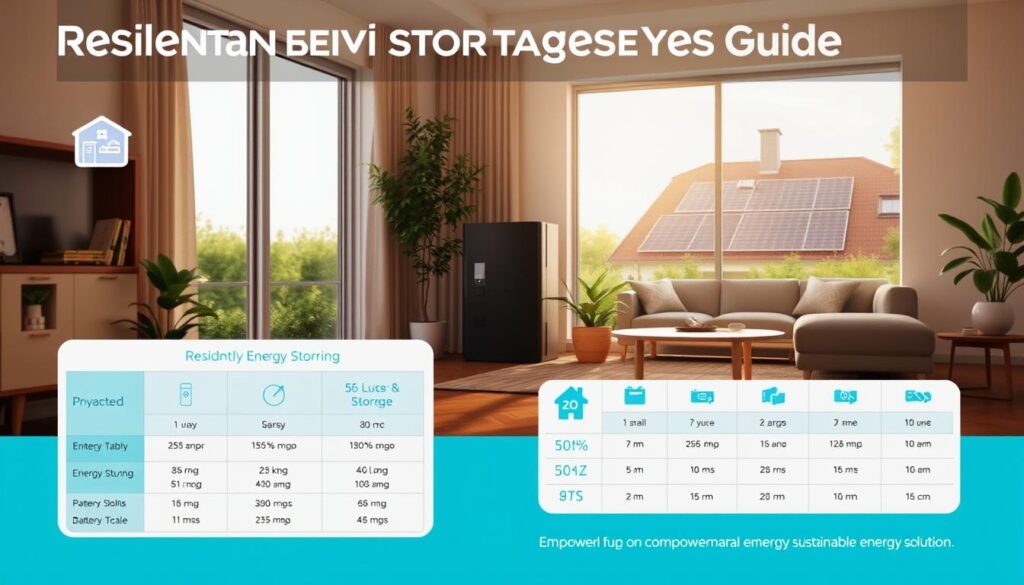
Your battery must work with your solar panels. It’s like a partnership. Your panels make the power, and the battery saves it for later. Some systems work together easily, while others need extra help. This is where smart home integration is important. It makes sure everything works together smoothly.
Let’s look at some numbers. A typical home uses about 30kWh a day. But you don’t need to store all of it. You should aim to cover important needs during power outages and use more solar energy. Choosing a good brand is important. They offer better warranties and systems that work well.
Here are some things to consider:
- Daily energy use (check your bills)
- How long you want backup power for
- How much power your solar panels make
- What big power users you have (like air conditioners)
- How your household might grow
Installing a system is where the planning meets the action. Pros check if everything is compatible. They look at your electrical setup. It’s like a big home improvement project. It might disrupt your home, but the right team makes it safe and smooth.
Smart features make your system more than just a battery. Look for ones that learn your habits. Some can even help you save money by working with the power company. This is real technology for today’s homes.
Before you decide, use a calculator to check your numbers. These tools give you detailed insights. They consider your location and how much power you make.
The end of installation is testing and setup. Your system needs to be checked carefully before it starts working. It’s like a test run. Once it’s up, you can watch how it’s doing. You’ll see how much energy you’re saving and how green you’re being.
Choosing the right size is key. It’s not about the biggest battery. It’s about finding the right fit for your life. A good system saves you money, keeps you safe, and makes you feel good about your energy use. The electricians will leave, but your relationship with energy will be changed forever.
Cost-Benefit Analysis
Looking at a home battery is more than just numbers. It’s about finding peace of mind. The initial cost is loud, but the long-term benefits are quieter and more valuable.
The main idea is to save money by using energy wisely. Store power when it’s cheap, like at night. Then use it when it’s expensive, like in the afternoon. This is called “peak shaving.”
This strategy lowers your electricity bill. By using less power from the grid during high rates, you save money. Over 10-15 years, these savings can cover the system’s cost. It’s a slow but rewarding way to cut down on bills.
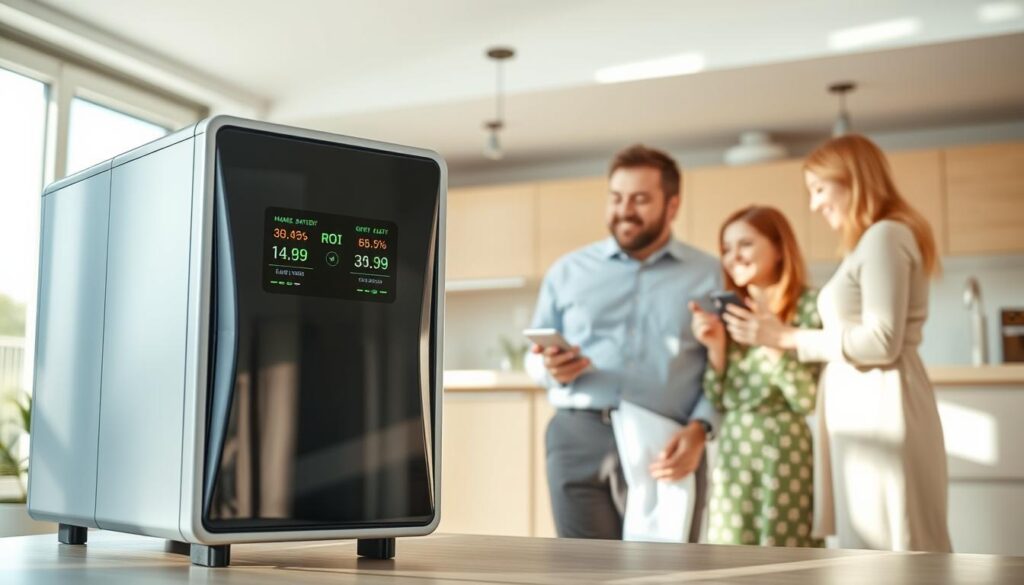
The financial gains are clear. But there are also non-monetary benefits. How much is peace of mind during a storm worth? What’s the value of knowing your family is safe with solar storage?
This is about being independent from the grid. It’s feeling good about using less energy. It’s knowing your home works even when the grid doesn’t.
Is it a cost or an investment? It depends on what you value. If you only look at money, the payback time varies. But if you value security, sustainability, and being self-sufficient, the benefits are huge.
The table below shows both sides of the analysis. It separates the numbers from the less measurable but real benefits.
| Benefit Category | Direct Impact | Long-Term Value |
|---|---|---|
| Financial (The Tangible) | Reduced monthly electricity bills via peak shaving. | Protection against future utility rate increases; possible increase in home value. |
| Security & Reliability | Automatic backup power during grid outages. | Peace of mind and family safety during emergencies and severe weather. |
| Environmental & Independence | Maximizes use of your own solar energy, reducing grid reliance. | Contributes to personal sustainability goals and greater energy self-sufficiency. |
The decision is up to you. For some, saving money is enough. For others, the real value is the freedom. It’s freedom from worry, from unstable energy prices, and from being tied to a fragile grid.
A home battery system is a smart investment in your home. Like a new roof or a high-efficiency HVAC, it pays off over time. But it also boosts your resilience, which might be the most valuable benefit of all.
Top Solutions for 2024
The 2024 residential energy storage market is changing fast. It’s like it’s having an identity crisis. Do you want something that’s quiet and powerful or something that talks to you?
For those who want to be off-grid, BLUETTI’s EP800 is the top choice. It has 39.6kWh capacity and a 7,600W output. It’s not just a battery; it’s a personal power plant.
Sigenergy takes a different approach. They focus on making everything work together smoothly. Their systems connect solar panels, batteries, and appliances in a smart way. It’s all about making Home Energy Storage sustainable and easy to manage.
Now, we see two main options. The EP800 is all about raw power. Sigenergy’s systems are about smart connections. Your choice depends on what you want for your home.
These residential units show how the industry is growing. To learn more about the latest in energy storage, like flow batteries and gravity storage, check out this guide.
The future of Home Energy Storage is here. It’s in a box, waiting for you to choose. The right system makes your house active and strong in the new energy world.