Forget the renewable energy hype. Let’s talk about what really matters: energy that doesn’t just power your home but powers your actual community.
Think of these ventures as the craft breweries of the energy world. They’re locally sourced, community-owned, and the profits don’t vanish to some distant corporate headquarters.
Instead, that money circulates right where you live. We’re talking about an estimated $2 billion annually in tax and land-lease payments nationwide. That’s real cash for school budgets, tax relief for homeowners, and infrastructure upgrades.
It’s the difference between shopping at a Walmart supercenter and your local farmers’ market. One extracts value from your town while the other generates local sovereignty. For a deeper dive into how these systems work, check out this small community wind handbook.
This isn’t just electricity generation. It’s a revolutionary shift from energy consumption to local production.
Planning and Funding Models
Ever tried explaining blockchain to your grandparents? Community wind financing is just as simple. The planning phase is filled with spreadsheets, but everyone gets a say.
Community wind is like a democratic startup. Funding comes from cooperative ownership or public-private partnerships. It’s a way to make money while helping the community.
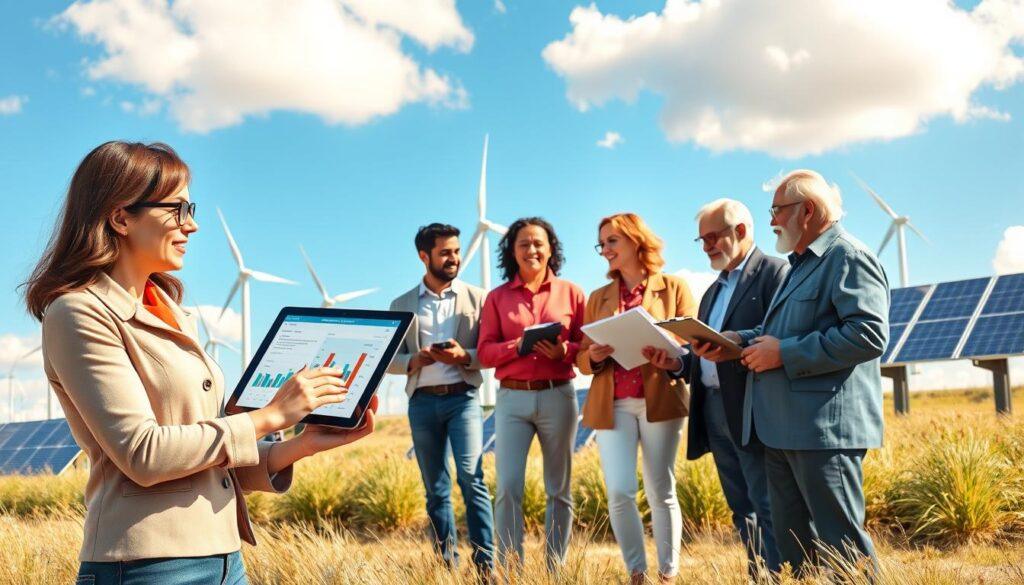
Nova Scotia’s Clean Economy Grants Program is worth noting. It funds research into distributed energy and offers scholarships. The Energy Training Program connects graduates with jobs in renewable energy.
Let’s look at a typical community wind project’s financial structure:
- Cooperative membership drives (the “crowdfunding before crowdfunding” model)
- Municipal bond offerings with local preference rates
- State and federal renewable energy tax credit stacking
- Power purchase agreements with anchor institutions like schools or hospitals
This distributed energy approach spreads out risks. When many households invest, the impact of delays is less severe. It’s like having twenty smaller columns instead of one big one.
NSCC’s curriculum is key. They teach more than just engineering. They focus on community energy economics and project management for distributed systems. It’s about building an ecosystem.
This model turns energy consumers into stakeholders. Instead of sending money to corporations, community members see their investment in action. It powers their neighbors’ homes and businesses.
This approach to distributed energy is more than just financial innovation. It’s a new way of thinking about who gets to be part of the energy transition. And who benefits from it.
Community Benefits and Case Studies
Let’s talk about what really matters in community wind projects. We’re talking about real money and local benefits that make everyone smile.
There are nearly 150,000 Americans working in wind across all 50 states. Wind turbine technicians are the fastest-growing job this decade. This is real economic growth that makes any chamber of commerce happy.
I’ve seen towns change from being poor to being energy leaders. They did this by using wind power instead of waiting for big companies. When communities control their energy, magic happens.
Think about what $2 billion in tax and land-lease payments means for local communities:
- Property taxes that don’t go up all the time
- Schools get funding without needing more bonds
- Infrastructure gets better without asking state legislators
This is like turning wind into gold for communities. It’s amazing.
There’s more to it than just money. Communities feel empowered when they control their energy. It’s a big difference between being a consumer and being a part of your own economy.
Real towns are using wind money for things like senior centers and broadband. They’re showing that renewable energy can boost local communities.
This isn’t just about being green. It’s about keeping wealth in the community, not sending it to distant shareholders. It’s about growing the economy where it matters most – in your own town.
I’ve seen some communities change in amazing ways. They now have budgets that let them improve services and cut taxes. It’s like magic.
What makes community wind special isn’t the tech. It’s the way the benefits stay local. When everyone has a stake, things change for the better.
Having control over your energy is also key. It makes you less dependent on global markets. It means stable energy costs for years to come.
These projects do more than just make power. They bring communities together. When neighbors own a project together, it changes everything. It’s a mix of capitalism and community spirit, and it’s working great.
Challenges Faced
Let’s be honest about community wind projects – they face big obstacles. These challenges make Sisyphus think twice about his job. The journey to renewable energy isn’t easy.
The NIMBY phenomenon is a big issue. People love clean energy until they see it. Then, they become experts on landscape design.
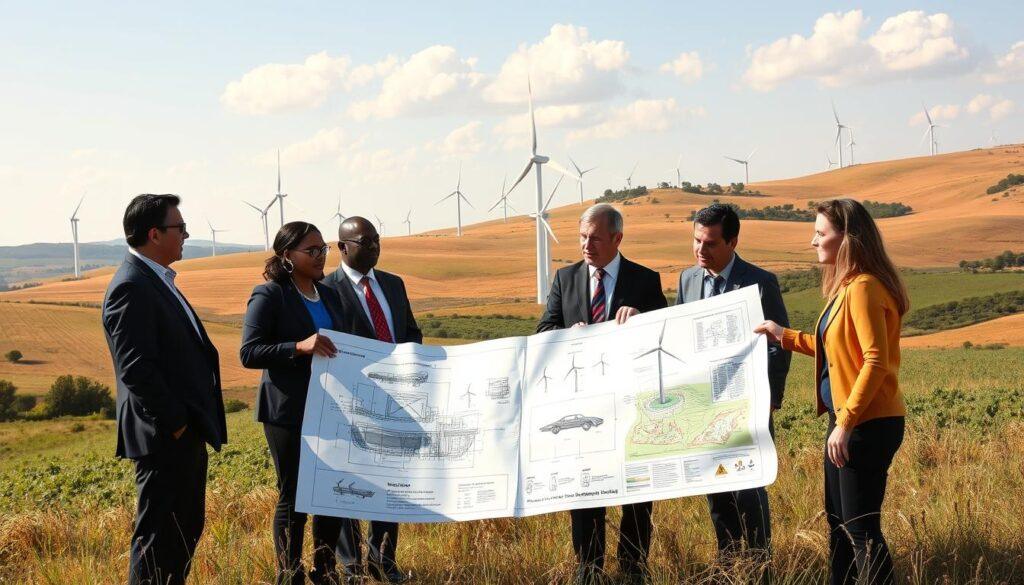
Location is another problem. The best wind spots are often far from people. Building lines to these areas needs a lot of work.
Wildlife impacts start heated debates. Wind projects might not harm wildlife as much as other energy sources. But, finding the perfect solution is hard.
Getting approvals is tough. It’s like solving a Rubik’s Cube blindfolded. Each permit needs a lot of paperwork.
Noise from turbines is another issue. The sound isn’t loud, but it changes the area’s sound. It’s like constant whispering giants.
Despite these challenges, successful community wind projects show we can overcome them. The secret is to balance environmental benefits with local needs through clear communication and smart planning.
These aren’t just theories – they’re everyday problems for developers. They work hard to use wind energy while keeping communities happy. The fight is real, but so are the answers.
Replicable Success Stories
Nova Scotia’s journey is a true energy revolution. They show that areas with strong winds can create systems that benefit everyone. It’s not just about turbines; it’s about giving power to the people.
Their approach is simple yet powerful. They treat energy projects as community efforts, not just business ventures. They’ve made plans that other towns can follow, showing renewable energy can be for everyone, not just big companies.
These stories are about energy democracy in action. Communities are now in charge of their power, creating electricity and jobs. They’re building a strong local economy.
The success is easy to follow. Start with community involvement, add creative funding, educational partnerships, and political support. Then, distributed energy becomes a real possibility, not just a dream.
These projects do more than just produce electricity. They give people hope for a better energy system. The revolution might not be on TV, but it’s definitely powered by turbines.