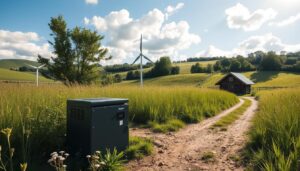
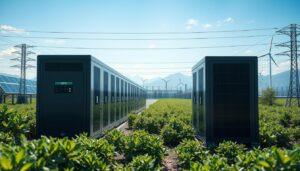
Distributed generation (DG) is transforming the way electricity is produced, delivered, and consumed across communities — including here in Illinois. Unlike traditional centralized power plants that feed energy into a large, regional grid, distributed generation refers to smaller-scale electricity sources located close to where power is used. Common forms include rooftop solar, small wind systems, combined heat and power (CHP), and even battery storage.
As DG technologies become more affordable and accessible, they are reshaping utility operations, improving local energy resilience, and giving consumers more control over their energy choices. This article explains how distributed generation works, why it matters for Illinois’ power grids, and what opportunities and challenges lie ahead.
What Is Distributed Generation?
Distributed generation refers to electricity generation that happens at or near the point of use, rather than at a centralized power plant. These systems can be owned by:
- Homeowners
- Businesses
- Utilities
- Community energy programs
Common DG technologies include:
- Rooftop solar photovoltaic (PV) systems
- Small wind turbines
- Combined heat and power (CHP) systems
- Fuel cells
- Battery energy storage paired with generation
Rather than sending power across long transmission lines, DG brings generation closer to loads, reducing losses and often enhancing grid efficiency.
The Illinois Context: Why DG Matters Now
Illinois is already moving aggressively toward a cleaner energy future, with policies such as the Climate and Equitable Jobs Act (CEJA) encouraging renewable energy deployment and grid modernization. As large-scale wind and solar add capacity to the grid, distributed generation adds complementary value by:
- Reducing local demand on transmission infrastructure
- Supporting peak load management
- Helping communities increase energy resilience
- Creating more options for consumers to participate in clean energy
This distributed approach aligns with broader trends in grid modernization that emphasize flexibility and responsiveness.
How DG Changes Local Power Grids
Distributed generation affects local electricity systems in multiple ways, altering how energy flows, how utilities manage resources, and how customers interact with the grid.
1. Power Flows Become More Bidirectional
In traditional grids, electricity flows one way — from centralized plants to consumers. With DG:
- Power can flow from customer-owned systems back to the grid.
- Neighborhoods with high solar penetration can export excess generation during midday.
- Utilities must adapt grid operations to manage two-way flows.
This bidirectional flow improves efficiency but requires advanced monitoring and controls.
2. Local Resilience Gets a Boost
Distributed generation enhances resilience — the ability of a grid to withstand and recover from disruptions.
During Outages
When centralized grids fail due to extreme weather or equipment failure, certain DG systems with islanding capabilities can continue to supply power locally.
- Islanded microgrids can disconnect from the main grid and operate independently.
- Critical facilities (hospitals, emergency centers) can continue functioning with localized generation and storage.
This localized reliability is especially valuable in extreme weather events or unexpected grid disruptions.
3. Utilities Shift to New Operational Models
As DG becomes more common, utilities must rethink traditional grid planning and operations.
From Centralized Control to Distributed Coordination
Utilities are adopting:
- Advanced metering infrastructure (AMI) — smart meters that allow real-time monitoring
- Automated distribution systems — dynamic controls for voltage and flow
- Distributed energy resource management systems (DERMS) — software that manages and optimizes DG assets
These technologies help balance supply and demand in real time and ensure stability even with many small-scale generators connected across the distribution grid.
4. Consumers Gain More Choice and Ownership
Distributed generation allows consumers to become prosumers — both producers and consumers of electricity.
Benefits for Consumers
- Reduced electricity bills through self-generation
- Incentive programs and net metering policies
- Greater control over energy sources and usage patterns
This shift empowers households and businesses to participate in energy markets and can drive local investment in clean technologies.
Real-World DG Examples in Illinois
Rooftop Solar
Solar PV remains the most widely deployed DG technology in Illinois. Solar panels installed on homes, businesses, and community sites generate local clean energy while reducing peak grid demand.
- Community solar programs broaden access to customers who cannot install their own panels.
- Net-metering policies allow customers to receive credit for excess generation sent back to the grid.
Combined Heat and Power (CHP)
CHP systems generate electricity while capturing waste heat for heating or industrial processes:
- Often used in hospitals, universities, and manufacturing facilities
- Increases energy efficiency by using waste heat that would otherwise be lost
Battery Storage Paired with DG
While batteries alone aren’t generation sources, they enhance DG value by:
- Storing excess renewable electricity for later use
- Providing grid services such as frequency support
- Enabling peak shaving to reduce utility demand charges
Opportunities Created by DG
Distributed generation unlocks numerous benefits for local grids and communities:
1. Environmental Benefits
- Reduces greenhouse gas emissions
- Shifts consumption toward clean energy
- Supports local compliance with clean energy standards
As DG displaces fossil generation, communities see cleaner air and reduced carbon footprints.
2. Lower Transmission and Distribution Losses
Electricity loses energy the farther it travels across wires. By generating power closer to load centers:
- Energy losses are reduced
- Grid efficiency improves
- Infrastructure strain decreases
This localized generation means less wasted energy and lower overall system costs.
3. Microgrid and Resilience Enhancements
Communities, campuses, and critical facilities can develop microgrids that operate independently during emergencies. DG combined with storage ensures critical services stay powered even during larger grid outages.
Challenges of Widespread DG Integration
While DG provides many benefits, it also introduces technical and regulatory challenges.
1. Grid Management Complexity
Bidirectional power flows require utilities to:
- Upgrade grid monitoring systems
- Implement real-time controls
- Adjust protection schemes
Legacy grid systems were not designed for high penetration of distributed resources, and upgrades require investment.
2. Regulatory and Pricing Issues
Policies and rate structures must evolve to ensure:
- Fair cost allocation between DG and non-DG customers
- Compensation that reflects the true value of distributed resources
- Prevention of cost-shifting between customer classes
Balancing incentives while maintaining reliable service and fair rates is a complex policy task.
3. Interconnection and Standards
Connecting DG systems to the grid involves technical standards and safety requirements. Streamlining interconnection procedures and ensuring interoperability are ongoing challenges for regulators and utilities.
The Future: DG + Storage + Smart Grids
The full potential of distributed generation will be realized when combined with:
- Battery energy storage to shift energy delivery
- Smart grid technologies that coordinate distributed resources
- Advanced forecasting and analytics for real-time grid optimization
This evolving ecosystem enables a more resilient, efficient, and clean local power grid that can adapt to changing demand patterns and renewable supply.
Conclusion
Distributed generation is no longer a niche concept — it’s reshaping local power grids across Illinois and the nation. By bringing generation closer to load centers, empowering consumers, and enhancing resilience, DG is an essential piece of the modern energy landscape. While technical and regulatory challenges remain, the transition toward distributed, connected, and intelligent power systems represents a major step forward in the evolution of the grid.
Whether through rooftop solar, on-site CHP, or community energy projects, distributed generation is expanding choice, reducing emissions, and strengthening local energy systems for a cleaner future.