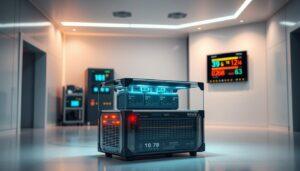
A profound shift is rippling through the Midwestern energy grid. For years, electricity supply and demand maintained a predictable balance across the region. That stability has fractured. Massive server farms, built to process artificial intelligence queries and cloud computing workloads, require an unprecedented volume of electricity. The sudden influx of these sprawling facilities has strained wholesale electricity markets, triggering historic spikes in the prices utility providers pay to secure regional energy reserves. Utility customers across the state are seeing the direct financial fallout of this transition on their monthly statements.
The scale of this new consumption is difficult to overstate. A single modern hyperscale server facility can draw 600 megawatts of electricity. That volume equals the continuous consumption of a mid-sized American city. Regional grid operators, including the Midcontinent Independent System Operator (MISO) which serves central and southern portions of the state, find themselves scrambling to secure enough generation to prevent brownouts. The financial premium to guarantee that electricity has reached record highs. The entire burden flows straight to the consumer. The U.S. Energy Information Administration continues to track these unprecedented shifts in national energy consumption patterns, highlighting the severe strain placed on regional networks.
The Capacity Auction Shockwave
Grid operators conduct annual auctions to purchase “capacity”—commitments from generation facilities to produce electricity when the system needs it most. The most recent auction results shocked industry analysts. MISO summer capacity prices exploded from a baseline of $30 per megawatt-day last year to a staggering $666.50 per megawatt-day. The independent market monitor for neighboring grid operator PJM determined that server farm demand caused roughly 70% of the recent multibillion-dollar capacity cost increases. Utility companies pass these increased procurement costs dollar-for-dollar directly into the supply portion of residential and commercial bills.
| Regional Grid Operator | Previous Capacity Price | Current Auction Price | Percentage Increase |
| MISO (Central/Southern IL) | $30.00 / MW-day | $666.50 / MW-day | + 2,122% |
| PJM (Northern IL) | $28.92 / MW-day | $329.17 / MW-day | + 1,038% |
The Collision of Global Markets and Local Grids
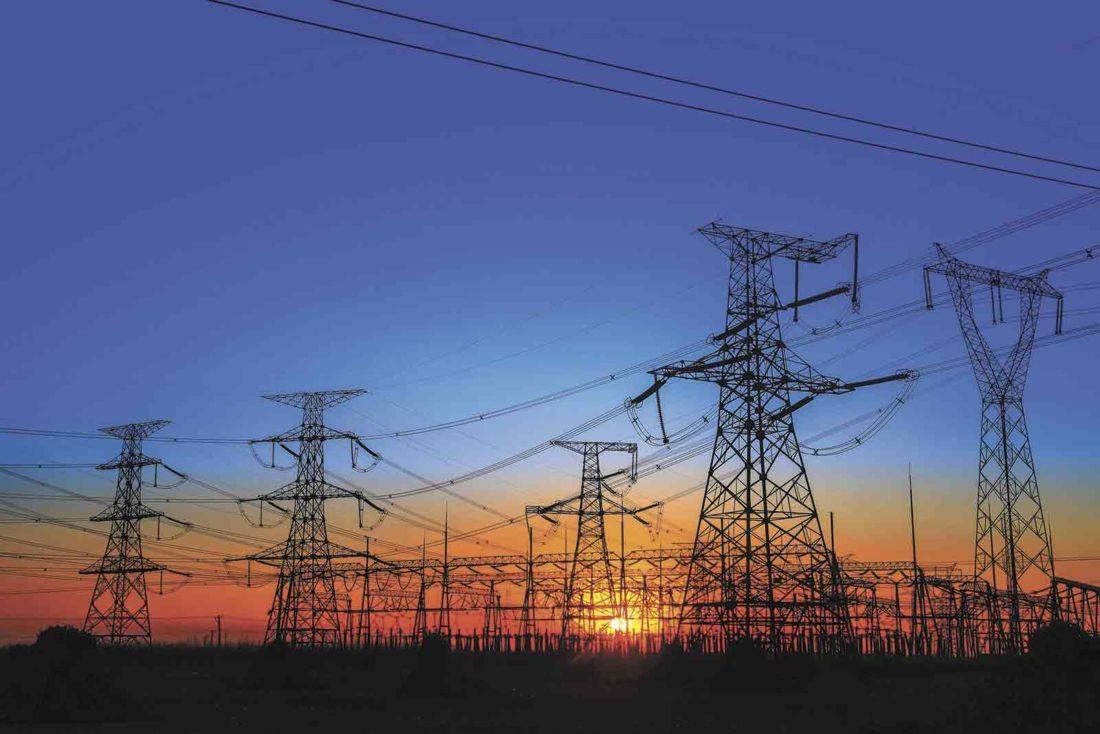
The localized surge in server farm construction represents just one variable in a complex equation. Global energy instability continues to exert upward pressure on raw fuel costs. The combination of international conflicts and shifting supply chains has raised the baseline cost of natural gas, which fuels a significant percentage of the region’s electrical generation. When global fuel prices spike alongside regional capacity shortages, the consumer absorbs a compounded financial blow.
Data centers consumed over 5.4% of all electricity in Illinois by early 2025. That share is climbing at an unprecedented rate. In locations like Joliet, developers are pushing forward with a $20 billion, 795-acre campus designed to consume up to 1.8 gigawatts alone. Adding that level of concentrated demand to a grid already facing baseline generation retirements forces grid operators into a corner. They must source expensive emergency generation to fill the gaps, sending wholesale clearing prices to record multiples.
Ameren Capitalizes on Infrastructure Buildouts
Utility providers are responding to this load growth by accelerating their capital expenditures. Ameren Corporation recently reported a 19.6% year-over-year increase in its first-quarter 2026 earnings. The company recorded diluted earnings per share of $1.28, up from $1.07 the previous year. Company executives attribute this profit growth to massive new infrastructure investments needed to support grid reliability. Total capital expenditures for the utility surged to over $1.5 billion in just three months. Building new transmission lines and upgrading local substations requires heavy capital. The state’s regulatory framework allows utility companies to earn a guaranteed return on these approved infrastructure investments.
Breaking Down Ameren’s Earnings Segments
Ameren’s financial disclosures reveal precisely where the influx of capital is generating returns. The Ameren Missouri segment saw first-quarter earnings jump to $76 million, a sharp rise from $42 million the previous year. Ameren Transmission earnings climbed to $98 million, up from $89 million. Ameren Illinois Electric Distribution posted $66 million in earnings. Across every division, the narrative remains consistent: increased infrastructure spending translates directly to higher corporate earnings. The utility plans to deploy $31.8 billion in capital from 2026 through 2030. A massive $70 billion infrastructure pipeline stretches out through 2035.
Corporate Agreements Drive Future Forecasts
Ameren is preparing for sustained long-term growth. The utility signed 2.2 gigawatts of Electric Service Agreements in early 2026 alone. Executives confirm these corporate contracts represent substantial upside potential for their long-term sales projections. The company targets a 6.2% compound annual sales growth rate through 2030. Fulfilling these corporate commitments requires a complete modernization of the regional transmission network. Every new server campus demands dedicated substation equipment and reinforced transmission lines to handle the massive electrical load. Ratepayers carry the financial weight of these systemic upgrades.
The Immediate Impact on Ratepayers
Everyday residents lack the financial leverage of multinational technology corporations. The typical Illinois electricity consumer faces an aggressive upward trend in monthly expenses. Residential all-in rates for Ameren customers are approaching 15.5 cents per kilowatt-hour, a near doubling since 2021. Experts project that summer billing cycles will push those rates closer to 20 cents per kilowatt-hour as seasonal capacity charges take effect. Monthly bills for average households could easily breach $200 during peak cooling months. The days of cheap, abundant Midwestern electricity are quickly fading.
Rethinking State Incentives and Consumer Relief
State policymakers are attempting to address the immediate financial strain on communities. Governor J.B. Pritzker proposed a two-year suspension of state tax incentives for new server farm construction, hoping to pause the overwhelming flood of interconnection requests. Dozens of facilities have already secured their tax-exempt status and will continue their buildouts as planned. Consumer advocacy groups warn that rates will remain high for several years. Families seeking immediate relief are increasingly turning to localized generation. Exploring various Illinois residential energy programs—like new initiatives expanding solar access to renters—provides one viable method for households to lock in their costs and bypass volatile wholesale electricity markets.