The last decade brought a plot twist so big, it would have been rejected by Hollywood. Battery costs have dropped by over 90%. This is not just a price cut; it’s a major shift.
The real storage innovation isn’t just in the chemistry. It’s in the brains of the operation. We’re creating a “thinking” grid. Artificial intelligence now goes beyond simple reactions to smart predictions.
AI algorithms can predict and spot problems early. This turns storage assets into smart market players.
The dream of a distributed virtual power plant (VPP) has come true. It’s now a reality in Australia and Texas. These digital giants combine thousands of rooftop batteries. They create a flexible resource that can challenge old power plants.
This shift is backed by big investments. Global investments in this sector jumped 36% to around $54 billion in 2024. It’s a story of “The Grid, Upgraded.” To see the full list of top advancements in energy storage solutions, the progress is clear.
Technology Pipeline
If our energy grid’s storage needs were a concert, lithium-ion would be the flashy, high-energy headliner with a notoriously short setlist. It’s perfect for a quick, powerful riff—smoothing out solar spikes or handling peak demand. But ask it to play a three-day encore through a windless, sunless stretch, and the performance gets very expensive, with backstage drama involving thermal management and degradation. The real future trends in storage aren’t on the main stage. They’re in the pipeline, where the gritty, marathon-running session musicians are tuning up.
A recent MIT study put a fine point on it, concluding lithium-ion is fundamentally unsuited for the long-duration storage our decarbonized grid requires. The call isn’t to boo it off the stage, but to fund the opening acts for the post-2030 show. This is where federal support becomes critical. We need technologies built not for a sprint, but for an endurance race.
So, what’s on the menu? It’s a veritable buffet of energy storage, each answering a single, fundamental question: how long do you need the lights to stay on?
Let’s survey the contenders, the technologies moving from lab curiosity to grid contender:
- Iron-Air Batteries: Imagine harnessing controlled rusting. These devices breathe in oxygen to discharge and use electricity to reverse the rust to charge. The promise is dirt-cheap, multi-day storage using some of the most abundant materials on Earth. It’s the ultimate in minimalist, durable design.
- Flow Batteries (Vanadium/Zinc): Think elegant, tank-based chemistry. Energy is stored in liquid electrolytes pumped through stacks. They’re inherently safe, scalable, and boast exceptional longevity—perfect for grid-scale projects where decades of service matter more than compact flair. Vanadium is the established star, while zinc-based systems aim for a lower-cost encore.
- Compressed Air Energy Storage (CAES): This is thermodynamic gymnastics. Use surplus power to compress air and stash it in underground salt caverns or pressurized tanks. When needed, release it through a turbine. It’s a brute-force, large-scale solution that turns geology into a battery.
- Thermal Storage (Molten Salt/Sand): Why store electrons when you can store heat? Excess electricity heats up mediums like molten salt or even simple sand to extreme temperatures, creating a thermal “bank.” This heat is later used to generate steam and electricity. It’s a highly efficient link for industrial processes or concentrated solar power plants.
- Hydrogen: The ultimate long-play. Use clean power to split water, store the hydrogen gas indefinitely, and then convert it back via fuel cells or turbines. The round-trip efficiency is… a topic for debate. But for seasonal storage—banking summer sun for winter gloom—it’s a compelling, if challenging, candidate.
The choice isn’t about crowning one winner. It’s about matching the tool to the task. A four-hour evening peak is one problem. A 100-hour grid-scale calm is another beast entirely. This diverse pipeline is what will transform storage from a grid accessory to essential grid infrastructure.
The path forward is clear. Lithium-ion will dominate the short-duration stage for years. But the spotlight must now swing to these marathon technologies. Their development, scaling, and commercialization define the critical future trends that will determine whether our clean energy transition has a reliable backbone or suffers from chronic blackouts. The pipeline is full. Now we need to build it.
Market Forecasts
Forget simple supply-and-demand curves; the most telling forecast for energy storage hinges on a deceptively simple question: will we pay people to not do their laundry? This isn’t just financial modeling. It’s behavioral economics meets grid physics, and the outlook is fascinatingly chaotic.
On one side, you have the brute force of capital. Global energy transition investments are sprinting toward $2.1 trillion by 2024. A torrent of over $50 billion annually is now chasing storage, treating it like the next trillion-dollar infrastructure play. The money has voted.
On the other side, you have the delicate surgery of regulation. This is where wonks reshape reality. Grid modernization efforts, like FERC Order 2222, are quietly rewriting the rulebook. Suddenly, a standalone battery in a field—or the one in your garage—can play in the wholesale big leagues. Updated interconnection processes are trying to unsnarl the traffic jam of projects waiting to connect. Policy is building the arena where the capital will compete.
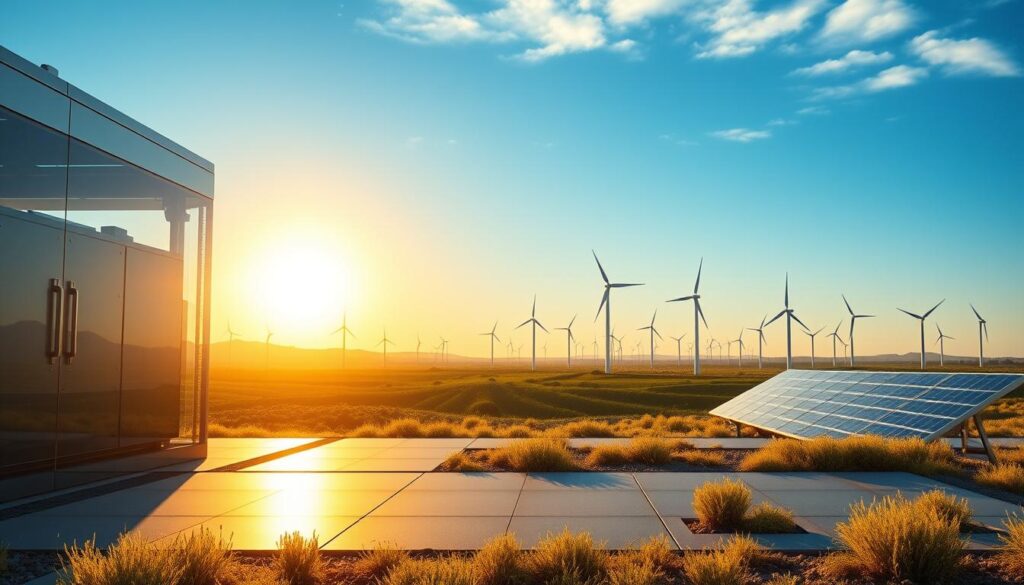
But here’s the twist, the one that most projections miss. The MIT study delivers a sage, slightly sardonic warning. Aiming for absolute “zero” emissions could be a modern Pyrrhic victory—technically possible but economically brutal, making electricity a luxury good. Their smarter forecast? Pursue “net-zero.” Embrace negative emissions tech. And reward consumers for flexible electricity use.
The winning market won’t just be about the cheapest kilowatt-hour. It will be about the most valuable *non*-kilowatt-hour. The trajectory now depends on mastering flexibility. Think of it as the difference between building more highways and inventing ride-sharing.
So, what shapes the real predictions? Three forces in a permanent wrestling match:
- The Capital Tsunami: Money seeking the highest return, flooding into manufacturing, software, and project development.
- The Regulatory Scalpel: Rules from FERC and states that define what storage is allowed to do and, critically, get paid for.
- The Human Factor: Our collective willingness to shift when we charge, cool, and wash—especially if there’s a financial nudge.
The most accurate forecasts won’t come from a single spreadsheet. They’ll be found in the intersection of these three circles. The market that cracks the code on flexibility—making it easy and lucrative for everyone—doesn’t just win. It defines the next era of energy.
Key Players and Startups
Forget the myth of the solo inventor; modern storage innovation is a team sport. The league table features some unexpected all-stars. The game is no longer just about who makes the best physical cell. Victory now depends on a powerful trio: the intellectual architects, the software alchemists, and the translators who connect it all to the real world.
First, the architects. Every revolution needs a blueprint. For energy storage, that document is the MIT Energy Initiative’s three-year study, “The Future of Energy Storage.” It’s less a report and more the industry’s pragmatic bible, separating feasible pathways from science fiction. This foundational research provides the intellectual bedrock upon which everything else is built.
Then come the alchemists. Companies like WATTMORE prove the magic is in the code. Their platforms—Intellect Operate, EnFORM, and PLAN—aren’t just dashboards. They are the central nervous system for storage assets, making split-second decisions that turn electrons into revenue. This is where the best energy storage startups are focusing: not on hardware, but on the intelligence that maximizes its value.
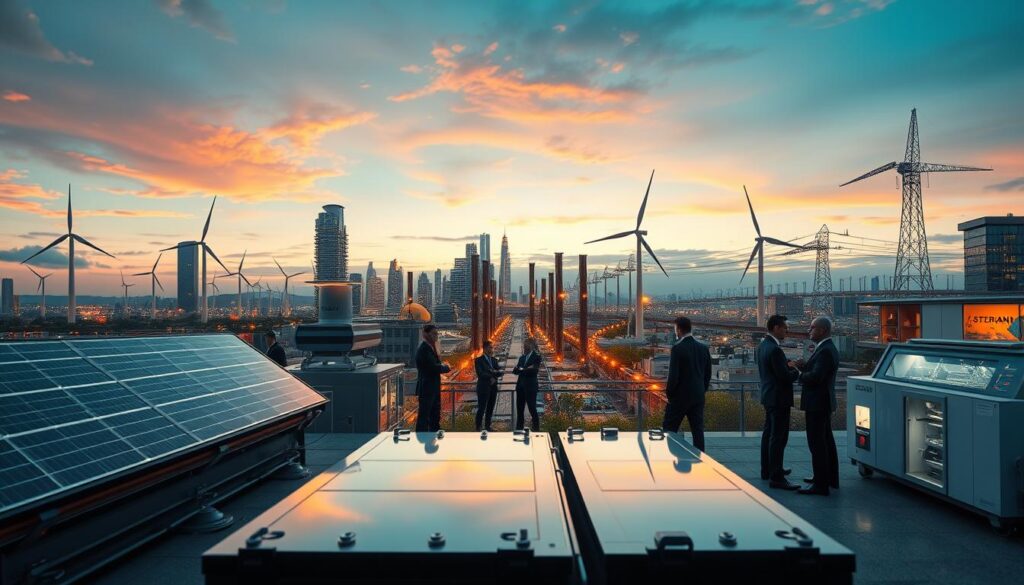
Lastly, you need translators. The landscape of procurement, regulations, and tech specs is a labyrinth. Firms like Freedom Energy Logistics, with experts like Dileep Prabhakar and Aditya Goushal, act as guides. They don’t just sell a battery; they navigate the complex journey for municipalities and businesses, translating high-concept storage innovation into actionable, on-the-ground strategy.
This ecosystem proves that brainpower is the ultimate currency. It’s a coalition where high-tech panels in a lab meet agile software and savvy consultancy. The player who understands this interconnected game isn’t just winning contracts—they’re drafting the rules for the next era of energy.
What’s Next for Green Innovators
So, you’ve built the widget. What now? The hardware race is cooling into a commodity market. The real trophy isn’t the shiny battery pack but the software brain inside it.
Your Energy Management System (EMS) is the critical differentiator. It turns a financial asset into something truly valuable.
Think in hybrids, not singular solutions. Co-located solar-plus-storage is becoming the default new power plant. The innovation lies in engineering these elements as a single, smarter resource.
The next big hurdle isn’t technical. It’s bureaucratic. Winning requires fluency in two languages: kilowatt-hours and regulatory filings.
Grids are becoming complex, optimized machines. We need sharper analytical tools and agencies staffed to manage them. The innovators who thrive will expertly navigate FERC and state PUC rules.
Looking at the broader future trends, the forecasts are staggering. Long-duration storage is scaling. Renewables are poised to dominate the grid. This isn’t a niche market anymore. It’s the main stage.
The goal has evolved. It’s no longer about building a better battery. It’s about architecting a more cunning, integrated, and intelligent piece of the entire energy ecosystem.