Do you remember solar panels from math class? They were just simple rectangles. Now, renewable energy systems are way more advanced. Think about this: 1.5 hours of sunlight can power our world for a whole year. But we’re not using it yet.
NASA-grade photovoltaic cells and AI are changing everything. Modern solar technology learns your energy habits. It even negotiates with the grid, making your house a mini power trader.
Now, let’s talk about the exciting part. While CSP tech uses mirrors, today’s photovoltaic systems are making money through net metering. Your roof is not just shingles anymore. It’s a money-making machine that also helps save polar bears.
The best part? These energy solutions are so efficient, they’re almost begging us to switch. It’s not just about being green anymore. It’s about saving money while helping the planet.
Smart Solar Systems
Your rooftop is now like Gordon Gekko, all about making money. Today’s smart solar systems are like Wall Street experts, but with solar panels. They have IoT sensors that track energy production like stock traders watch the market.
Why choose simple panels when you can have a solar system that’s like a PhD? It turns sunlight into money for you.
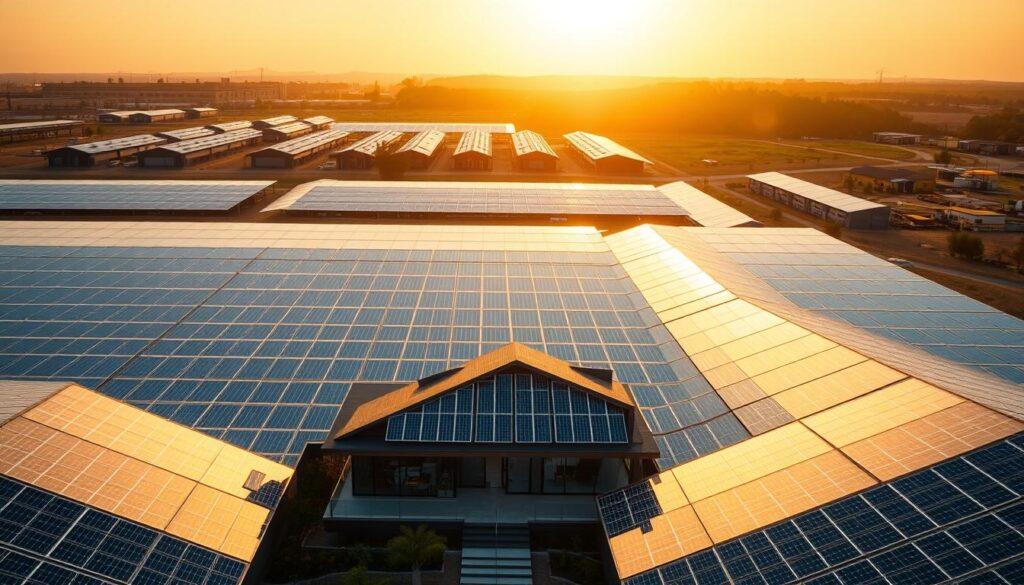
These systems use smart algorithms to predict the weather better than your local weatherman. Energy savings? More like energy mastery. The latest solar cells are like Ivy League graduates, making the most of every photon.
They power everything from smart fridges to fancy EVs. It’s like having a super-efficient personal energy manager.
| Feature | Traditional Solar | Smart Solar |
|---|---|---|
| Energy Tracking | Monthly estimates | Real-time microanalysis |
| Weather Adaptation | Static performance | AI cloud prediction |
| Maintenance Alerts | Reactive repairs | Preemptive diagnostics |
| Scalability | Fixed capacity | Community grid integration |
Community solar is like the carpool lane for renewable energy. It’s better to share the ride. Neighborhoods can pool resources like a solar investment club.
Machine learning makes sure everyone gets the power they need. Night owls get their Netflix, and early birds get their coffee.
This isn’t just about solar power anymore. It’s about systems that:
- Pay for themselves fast
- Adjust to weather changes
- Work smoothly with your home network
The real innovation is turning your roof into a silent money-maker. It’s too busy making kilowatts to brag about it on LinkedIn. Going green has never felt so… Wolf of Wall Street?
Integration with IoT
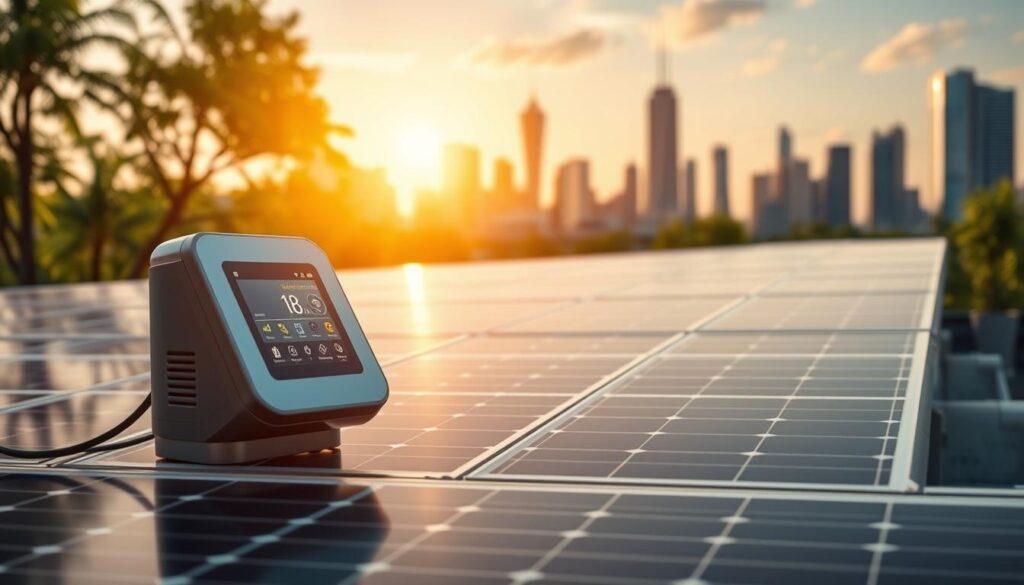
Imagine your rooftop solar array talking to your smart thermostat through IoT protocols. This isn’t science fiction, but real in California’s blockchain-powered microgrids. Here, neighbors trade electrons like crypto tokens. Your PV system now has better communication than your college roommate.
Walmart’s parking lot has been transformed. Their solar canopies power EV chargers and refrigeration units at the same time. This is thanks to solar panel wireless technologies that make smart decisions. Frozen pizzas stay frosty, and electric vehicles charge up – a commercial win that would impress even Scrooge McDuck.
Three game-changing IoT integrations:
- Inverters act as energy traffic cops, redirecting surplus power like Uber Pool for electrons
- Microgrids use machine learning to predict energy needs better than your weather app forecasts rain
- Blockchain ledgers track energy transactions with more transparency than a glass-bottom boat
California’s distributed energy microgrids show communities can be self-sufficient power brokers. During last summer’s heatwave, a San Diego neighborhood traded stored solar energy at peak rates. They turned their rooftops into stock market portfolios, showing off home energy solutions with Wall Street swagger.
The real magic happens when IoT turns solar arrays into energy maestros. Modern inverters analyze grid demand, weather, and electricity prices. They make quick decisions that would give day traders anxiety. It’s like having a Nobel-winning economist in your electrical panel.
For businesses, this solar innovation means parking lots become revenue streams. Walmart’s installations now offset 15% of store energy needs while charging EVs. This boosts green credentials, customer loyalty, and the bottom line.
Environmental Benefits
Going green can also save you money and help bees. Let’s look at how renewable energy is more than just feeling good. It’s about real savings and helping pollinators. The DOE says solar costs have dropped 52% in six years.
This means you could save about $100 a month on energy savings. Plus, your solar system will cut carbon emissions quickly.
Solar farms are now also homes for bees and butterflies. These fields have seen a 70% increase in pollinators. It’s a win-win: power your home and help save species.
Solar jobs have grown 167% in ten years. This means more people can install solar systems for you. And, solar panels look better than smog-filled power plants.
As one DOE analyst said:
“Solar adoption isn’t just an energy shift—it’s rewriting how we coexist with our environment.”
Not convinced yet? Every kilowatt-hour from your panels cuts 1.5 pounds of CO2. Do the math next time you order something online. The environmental impact adds up quickly.
Conclusion
Net Zero 2050 projections are not just science fiction. They are our future utility bills. Commercial solar installations now pay for themselves quickly, like Taylor Swift tickets resell fast. PV modular systems let businesses grow their energy solutions easily.
The math is clear: investing in solar today is better than waiting for Elon Musk to go to Mars. Modern panels are like iPhone updates for your roof. Southern California Edison customers cut their bills by 40% with smart solar systems.
Walmart’s 1.4 gigawatt project shows big companies are serious about saving money. Future innovations could include self-cleaning panels and AI that predicts energy needs. It’s like Spotify recommending playlists for you.
The Inflation Reduction Act makes solar success cheaper than owning a gas-guzzling SUV. Why worry about climate change when you can make more money? Commercial operators see their ROI shrinking fast, making sustainability a smart investment.
The real question is not if solar works. It’s whether you’ll regret not joining the solar revolution. Residential installations are at record highs, and commercial projects are growing fast. The sun never charges you, but your utility company will.