Imagine your suburban roof turning into a power plant, silently beating fossil fuels. This isn’t a dream—it’s the energy savings goal that’s making utility bosses nervous. Putting solar panels on your roof isn’t just about saving money or helping the planet.
It’s a big fight where your HOA’s aesthetic guidelines are more important than global climate deals.
San Diego’s Measure G is a smart move. It links solar power to better roads, making driveways key to home energy freedom. But, there are big hurdles like zoning fights, old grid politics, and that neighbor who doesn’t like the look of solar panels.
Why does this matter? Your roof is now more than just a shelter—it’s a mini power grid. It’s a place where you can make a statement against old energy ways. The real question is, will you join the solar adoption movement, or will it crash through your HOA’s rules?
Common Barriers
Going solar is like climbing El Capitan without ropes. The promise of energy savings is there, but the journey is tough. It’s not just about flipping a switch.
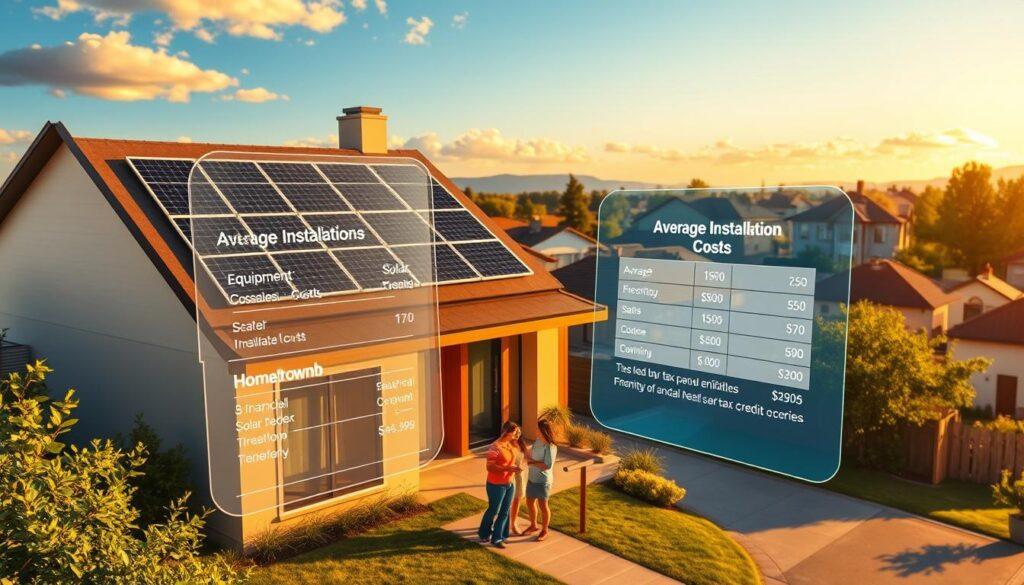
The Wallet Wall: Upfront Costs vs Long-Term Gains
Solar technology is pricey. A typical residential solar system costs $15,000-$25,000. Even Tesla’s Powerwall batteries can’t hide the cost.
California’s recent budget cuts have made things worse. Incentives have been slashed, making solar less affordable.
“Solar payback periods now stretch longer than the wait for Avatar 3 – 7-12 years on average, depending on your utility’s mood swings.”
| Expense | Pre-Cut Incentives | Post-Cut Reality |
|---|---|---|
| System Installation | $18,000 | $22,500 |
| Tax Credits | 26% Federal | 22% Federal |
| Payback Period | 6.5 years | 9.1 years |
When Sunshine Doesn’t Pay the Bills
San Diego’s Measure E proposal wants to add an 8.75% sales tax on solar panels. This is like taxing green energy like luxury items. It makes choosing between energy savings and groceries hard.
A Yale study shows low-income families benefit from solar. But with incentives gone, the dream of energy independence is just that – a dream.
Solutions and Strategies
Let’s turn the tables on solar skepticism. Imagine your roof becoming a power plant, saving your wallet. The trick? Use sunlight like money and utilities as opponents in a game of Monopoly. Instead of fake money, we play with real energy savings.
From Sunburn to Sun Earn: Financial Alchemy
San Diego’s SolarWise program is more than a book club. It’s a way for members to pool resources for shared solar farms. Think of it as a renewable energy potluck where everyone brings financing.
- Power Purchase Agreements (PPAs) let you lease panels for less than your current electric bill. It’s like Netflix for photons.
- Battery storage solutions turn daylight into 24/7 energy insurance. Say goodbye to rolling blackouts.
- Federal tax credits act as the government’s loyalty discount.
Invest in solar like a 401(k). The longer you wait, the more energy savings you miss. And yes, that oak tree shading your panels? It’s committing botanical treason against your ROI.
Utilities aren’t evil—they’re just outdated. The trick? Outsmart them with smart solar tactics:
| Utility Move | Solar Countermove | Savings Impact |
|---|---|---|
| Peak rate pricing | Battery time-shifting | 23% bill reduction |
| Grid access fees | Community solar opt-out | $15/month savings |
| Net metering caps | Excess energy storage | 42% usage offset |
San Diego’s secret? Treat utility negotiations like Tinder. Swipe left on outdated policies, swipe right on home energy solutions that benefit both wallets and wattage. Remember: When utilities play checkers, solar advocates need to play 4D chess.
Success Stories
What happens when NIMBYs become solar evangelists? California’s sun-drenched coast offers surprising case studies in energy transformation. Here, “not in my backyard” turns into “yes on my rooftop.” Let’s explore how surfboards got traded for solar panels in America’s sunniest metropolis.

San Diego’s Solar Ascent: From Beach Bums to Power Brokers
The La Jolla Homeowners Association’s journey is like a Nancy Meyers comedy meets Elon Musk fan fiction. It started with complaints about “unsightly panels ruining our Tuscan villa aesthetic.” But it turned into California’s first residential-commercial energy cooperative. Their secret? Measure G funding turned rooftop real estate into a revenue stream – $900M annually flowing through solar-transit infrastructure.
Key victories from their solar coup:
- Heated pools now powered by 100% renewable energy (moral superiority remains fossil-fueled)
- EV charging stations doubling as social gathering spots
- Annual HOA fees reduced 23% through energy credits
The Horton Plaza Miracle: Commercial Meets Residential
This dead mall’s resurrection story makes Phoenix look lazy. Developers turned 1980s retail decay into a solar-powered housing complex. It’s part eco-utopia, part Blade Runner backdrop. The numbers speak louder than disgruntled Yelp reviews:
| Aspect | Pre-Retrofit (2019) | Post-Retrofit (2024) |
|---|---|---|
| Energy Source | 100% grid power | 78% solar generation |
| Annual Energy Costs | $412,000 | $89,000 |
| Commercial ROI | -14% (declining) | 22% (projected) |
| Community Impact | 83 vacant stores | 204 affordable units |
The project’s pièce de résistance? A Tesla Powerwall array disguised as public art. It’s because nothing says energy innovation like making battery packs Instagram-worthy. As one former mallrat turned resident quipped: “I used to shoplift CDs here. Now I’m stealing sunlight from Big Oil.”
Conclusion
San Diego’s rooftops are now key players in a quiet revolution. Measure G didn’t just pass; it made homes into mini power plants. The Homeowners Coalition for Smart Futures calls it “the sharpest tool in California’s energy shed.”
When your roof makes more watts than your neighbor’s crypto, you’re doing more than saving polar bears. You’re changing a system where sunlight is the only free utility. It’s a way to break free from the old system.
Renewable home energy means no more rate hikes. Every panel installed cuts through the red tape of old power grids. Why pay for electricity when your attic can make it?
San Diego shows that rooftops can be more than just places for rain to fall. With 43% solar adoption, they’re now making money.
Energy savings are real, not just numbers. HCSF reports show solar homes save $1,200 a year. That’s enough for a weekend in Cabo or a lot of kombucha.
The question isn’t if you can afford solar panels. It’s if you can stand by while your roof gets all the sun and your wallet gets burned.
This isn’t just about being green. It’s about being smart. As the energy giants sweat, your roof might be planning its takeover. Next time you get your utility bill, ask: Is my house wearing a sun hat or a crown?