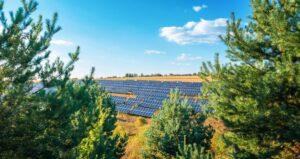
Illinois’ clean energy transformation is accelerating, and few projects better illustrate that momentum than the Prairie Solar Project in Champaign County. Developed by BayWa r.e., this massive 183-megawatt (MW) solar installation spans approximately 800 acres and represents one of the most significant utility-scale renewable developments in the region.
As the project moves toward completion this year, it highlights the scale, investment, and infrastructure required to power Illinois’ future with clean electricity. This deep dive explores what makes Prairie Solar a landmark project, how it connects to the grid, and what it means for local communities and the broader energy transition.
What Is a Utility-Scale Solar Project?
Utility-scale solar refers to large solar photovoltaic (PV) installations designed to generate electricity for the wholesale power market rather than for individual homes or small businesses.
Unlike rooftop or community solar systems, utility-scale projects:
- Typically exceed 5 MW in capacity
- Connect directly to high-voltage transmission systems
- Serve thousands of customers indirectly through the regional grid
At 183 MW, Prairie Solar ranks among Illinois’ largest solar facilities — firmly placing it in the “utility-scale giant” category.
Project Snapshot: Prairie Solar by the Numbers
- Location: Champaign County, Illinois
- Developer: BayWa r.e.
- Capacity: 183 MW
- Land area: Approximately 800 acres
- Project type: Utility-scale solar photovoltaic
- Status: Slated for completion this year
To put 183 MW into perspective, that level of generation capacity can power tens of thousands of homes annually, depending on load patterns and seasonal performance.
Why Size Matters: The Economics of Scale
Utility-scale projects benefit from economies of scale that smaller installations cannot achieve.
1. Lower Cost per Megawatt
Large projects spread fixed costs — engineering, permitting, interconnection, and construction — across more megawatts of generation. This results in:
- Lower per-unit installation costs
- More competitive power purchase agreements (PPAs)
- Reduced long-term electricity pricing
For Illinois consumers, large solar projects help stabilize energy costs while lowering carbon intensity.
2. Advanced Technology Integration
Projects of this magnitude often incorporate:
- Single-axis tracking systems that follow the sun
- High-efficiency photovoltaic modules
- Advanced inverters and monitoring systems
Tracking systems increase energy yield by optimizing panel orientation throughout the day, maximizing production from each acre.
800 Acres of Clean Energy Infrastructure
Covering roughly 800 acres, Prairie Solar occupies a footprint comparable to a small agricultural district. However, solar installations typically use low-impact mounting systems that allow:
- Minimal soil disturbance
- Vegetation growth between panel rows
- Potential pollinator-friendly plantings
While land use is significant at this scale, solar’s footprint is temporary compared to permanent industrial facilities. Panels can be removed at end-of-life, restoring land to other uses if desired.
Grid Connection and Regional Impact
Prairie Solar will interconnect with the regional transmission system, feeding electricity into Illinois’ broader power market.
Supporting Peak Demand
Solar generation aligns particularly well with daytime electricity demand — especially during summer months when air conditioning drives peak loads.
By delivering large-scale daytime generation, Prairie Solar can:
- Reduce strain on fossil-fuel peaker plants
- Lower wholesale electricity prices during peak hours
- Decrease carbon emissions from marginal generation units
Environmental Benefits
A 183 MW solar installation represents a substantial emissions offset.
Carbon Reduction Impact
Over its operational life, Prairie Solar will:
- Displace fossil-fuel-based electricity
- Reduce greenhouse gas emissions
- Contribute toward Illinois’ renewable portfolio standards
Utility-scale solar projects play a central role in helping Illinois meet long-term decarbonization goals established under clean energy legislation.
Economic Benefits for Champaign County
Beyond environmental impact, Prairie Solar brings measurable economic benefits to the local community.
1. Construction Employment
Large-scale solar projects create hundreds of temporary construction jobs, including:
- Electricians
- Equipment operators
- Engineers
- Site managers
2. Long-Term Operations
Though fewer in number, permanent operations and maintenance roles support:
- Facility inspections
- Panel maintenance
- Vegetation management
- System monitoring
3. Property Tax Revenue
Utility-scale solar installations contribute property tax revenue that can support:
- Schools
- Infrastructure improvements
- Public services
For rural counties, these projects provide new revenue streams without heavy industrial emissions or long-term pollution risk.
Developer Spotlight: BayWa r.e.
BayWa r.e. is a global renewable energy developer with projects spanning solar, wind, and storage. Their experience in delivering large-scale installations ensures:
- Bankable project financing
- Proven engineering practices
- Long-term operational reliability
By investing in projects like Prairie Solar, developers demonstrate confidence in Illinois’ regulatory framework and market conditions.
Addressing Land Use Concerns
Large solar installations sometimes raise questions about farmland conversion. Developers often address these concerns through:
- Careful site selection
- Agricultural land classification review
- Soil preservation measures
- Decommissioning plans
Many projects include commitments to restore land at end-of-life or incorporate pollinator habitats to enhance ecological value during operation.
Balancing renewable expansion with agricultural priorities remains an ongoing policy discussion in Illinois, but utility-scale projects remain critical to achieving climate targets.
The Role of Utility-Scale Solar in Illinois’ Energy Mix
Illinois already benefits from a strong zero-carbon foundation due to nuclear power and growing wind generation. However, solar provides unique advantages:
- Predictable daytime output
- Rapid construction timelines
- Modular scalability
Large projects like Prairie Solar add significant capacity quickly, helping close the gap toward renewable portfolio goals.
As electrification increases — from electric vehicles to electric heating — demand for clean generation will continue rising. Utility-scale solar will remain a central pillar of Illinois’ clean grid strategy.
Looking Ahead
With completion slated for this year, Prairie Solar signals continued momentum in Illinois’ renewable buildout.
Future trends may include:
- Co-location with battery storage systems
- Hybrid solar-wind developments
- Expanded transmission investments to accommodate renewable growth
Projects of this size not only generate electricity but also shape the infrastructure, workforce, and regulatory environment that will define Illinois’ energy future.
Conclusion
The Prairie Solar Project in Champaign County stands as one of Illinois’ most ambitious renewable developments. At 183 MW across 800 acres, it represents the scale required to meaningfully shift the state’s energy mix toward cleaner sources.
Developed by BayWa r.e., this utility-scale installation highlights how large solar projects can deliver environmental benefits, economic growth, and grid reliability simultaneously.
As Illinois continues its transition to a lower-carbon future, utility-scale giants like Prairie Solar will play an essential role — powering communities, strengthening rural economies, and reinforcing the state’s commitment to clean energy leadership.