Illinois is in the midst of a clean energy transformation, and two renewable sources stand out on the state’s electric grid: wind and solar. Both technologies have experienced rapid growth over the past decade, but they each bring different strengths and challenges to Illinois’ energy mix. In this article, we’ll break down where wind and solar currently stand, how they contribute to grid reliability and economics, and what the future may hold for these clean power champions in the Prairie State.
Understanding Illinois’ Renewable Landscape
Illinois has steadily shifted away from traditional fossil fuel generation toward renewables in recent years. Thanks to state policies like the Future Energy Jobs Act (FEJA) and Climate and Equitable Jobs Act (CEJA), wind and solar development has accelerated, driven by incentives, renewable energy credits, and competitive power market dynamics.
Today, wind and solar together contribute a growing share of capacity and energy to the Illinois grid, helping reduce carbon emissions, support rural economies, and diversify the state’s energy portfolio.
Wind Power in Illinois: The Current Leader
Why Wind Has Taken Off
Wind energy is currently the dominant renewable source on the Illinois grid. There are several reasons for this:
- Scale and economics: Wind projects, particularly in central and northern Illinois, can reach utility-scale sizes of 100+ megawatts (MW), taking advantage of strong, consistent wind resources in the region.
- Mature technology: Wind turbines have become larger, more efficient, and cost-competitive with traditional generation in recent years.
- Transmission access: Illinois benefits from a strong transmission backbone that allows wind resources to serve not only in-state demand but also export power to neighboring states.
Contribution to the Grid
As of the latest reporting, wind energy supplies a significant portion of Illinois’ renewable generation. Wind farms across counties like McLean, Ford, and Bureau consistently contribute hundreds of megawatts of clean power to the regional grid.
• Capacity vs. generation: Wind’s installed capacity may not always match solar’s peak output potential, but wind often generates more total electricity over time due to longer operating hours and strong evening production.
Economic and Community Benefits
Wind development in Illinois has translated into real economic impacts:
- Jobs in construction and maintenance
- Land lease payments to rural landowners
- Property tax revenues for local schools and services
Wind’s rural footprint supports agricultural communities while avoiding significant land use conflicts.
Solar Power in Illinois: Rapid Growth and Rising Impact
Solar’s Expanding Footprint
Though Illinois started later in adopting utility-scale solar, the pace of development has surged. Solar projects — both utility-scale farms and distributed rooftop systems — are now common across the state.
Solar’s key advantages include:
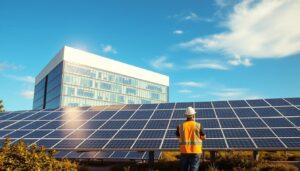
- Scalability: From small rooftop arrays to multi-megawatt solar farms.
- Declining costs: Solar module prices have dropped dramatically, making projects economically viable in many markets.
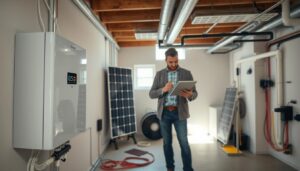
- Distributed generation: Rooftop solar puts clean energy closer to the point of consumption, reducing transmission losses.
Contribution to the Grid
Solar’s generation profile differs from wind in several important ways:
- Peak generation in daytime: Solar output aligns with daytime electricity demand, which is increasingly important as electric vehicles and air conditioning load grow.
- Seasonal variation: Solar power is higher in summer months when daylight hours are long but reduced in winter.
While total solar generation still trails wind in Illinois, solar capacity is on a strong growth trajectory and is expected to continue increasing under state energy goals.
Head-to-Head: Wind vs. Solar in Illinois
To understand “which is winning,” it helps to compare wind and solar across key indicators.
1. Installed Capacity
Wind currently holds a larger installed capacity share in Illinois, thanks to earlier deployment and large utility-scale projects. Solar is catching up quickly, especially as new incentive programs make solar more competitive.
2. Energy Production
Because wind often produces more consistently through day and night across seasons, it currently contributes more total energy over a calendar year in Illinois. Solar, however, shines during peak daytime hours, offering critical capacity when demand is highest.
3. Grid Reliability
Both wind and solar bring variability — wind varies by weather patterns, and solar output changes with cloud cover and nightfall. That said:
- Wind can provide significant generation during evenings and shoulder seasons.
- Solar excels during daytime peak loads.
To maintain grid reliability, both resources are increasingly paired with energy storage and demand response systems.
4. Costs
Both wind and solar have achieved remarkable cost reductions, but economics can vary by project size and location:
- Wind tends to be favorable at large scale in high-wind regions.
- Solar benefits from smaller, distributed installations that avoid transmission costs.
Federal tax incentives like the Investment Tax Credit (ITC) have helped both industries reduce upfront costs.
The Role of Storage and Grid Integration
Neither wind nor solar produces power on demand. That’s where energy storage and grid modernization come into play.
- Battery energy storage systems (BESS) make solar and wind more dispatchable, storing excess daytime solar or strong wind generation for use later.
- Demand response and smart grid technologies help balance loads as clean generation grows.
As battery costs continue to fall and grid operators invest in advanced systems, the combined wind-solar-storage mix becomes more resilient and reliable.
Looking Forward: What’s Next for Illinois Renewables?
Illinois’ renewable future is shaped by policy goals and market trends:
1. Ambitious Clean Energy Targets
State renewable energy standards call for increasing clean generation, which means both wind and solar will continue to expand. Policies under CEJA and future legislation support growth in:
- Community solar programs
- Large utility-scale projects
- Renewable energy credits and carbon reduction measures
2. Technological Innovation
New innovations — larger wind turbines, bifacial solar panels, agrivoltaics (solar with agricultural land use), and advanced forecasting tools — will improve performance and reduce costs.
3. Distributed vs. Utility-Scale
Illinois is seeing growth in both ends of the spectrum:
- Distributed generation empowers customers to install rooftop or community solar.
- Utility-scale projects drive large renewable capacity additions.
A balanced mix helps diversify risks and spreads economic benefits.
Conclusion: A Shared Victory for Wind and Solar
So, which renewable is winning the Illinois grid?
The answer is both.
- Wind currently leads in total production and long-term generation contribution.
- Solar is rapidly expanding, especially where its daytime peak aligns with demand and energy storage integration.
Rather than a competition, wind and solar are complementary forces powering Illinois’ clean energy transition. With continued policy support, technological advancement, and smart grid investments, both renewables will play central roles in building a resilient, low-carbon energy future for the state.